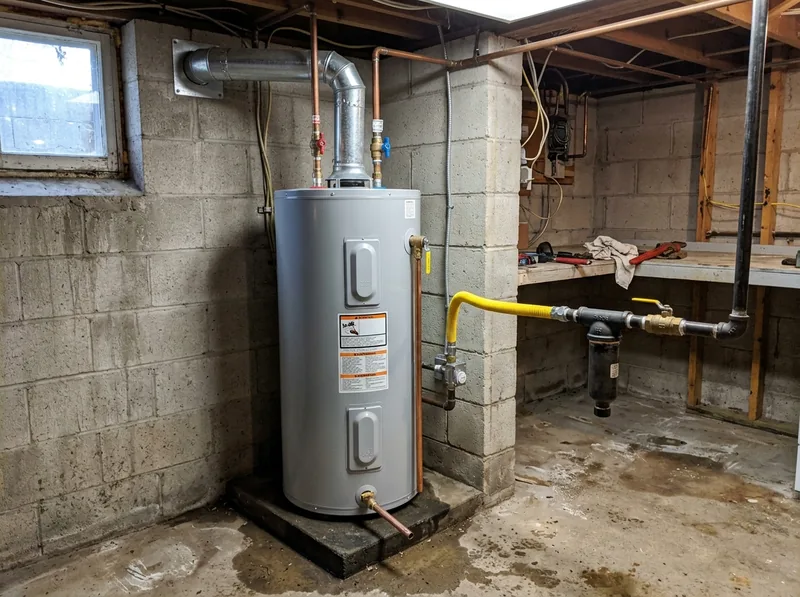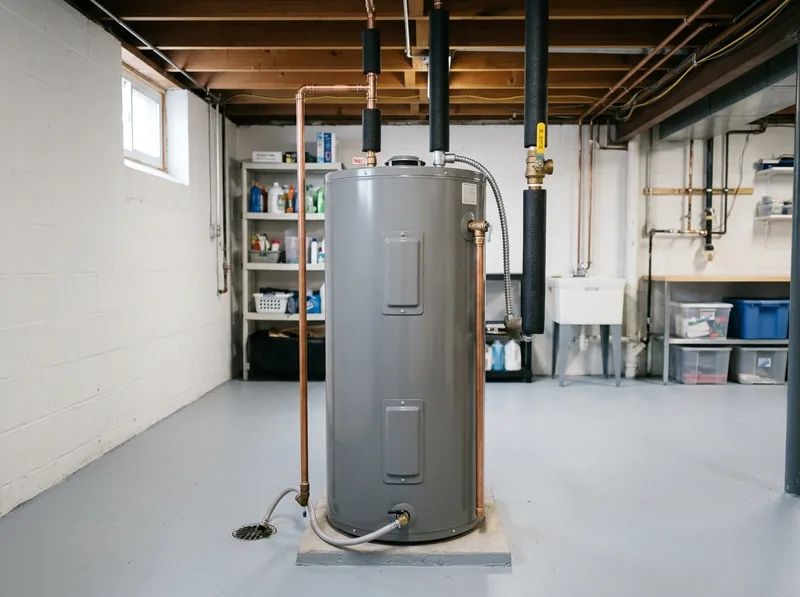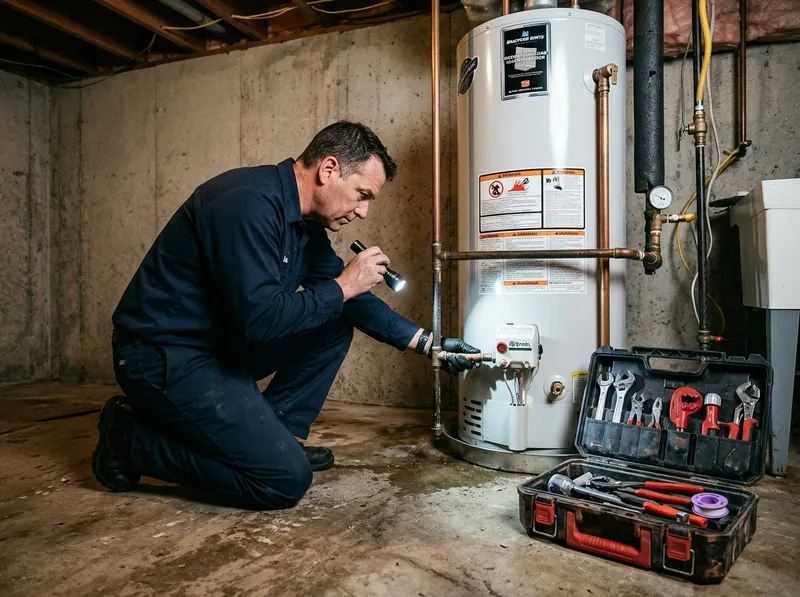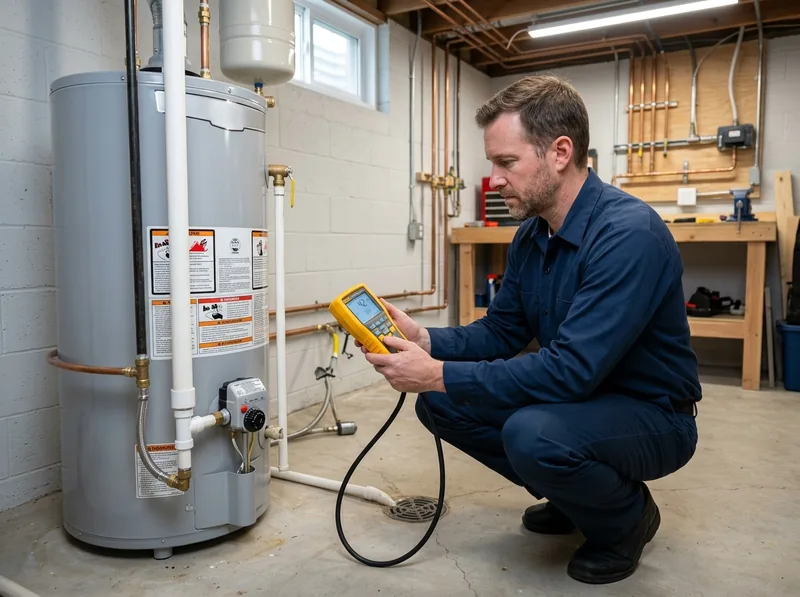
Turn off the power or set the gas to Pilot, shut the cold water supply, connect a garden hose to the drain valve and run it to a floor drain or outside. Open a hot faucet, then open the drain valve and let the tank empty. Briefly open the cold supply to stir up the remaining sediment, then close the drain and refill until hot faucets run steadily. Restore power or gas only once the tank is full.
Why flush a water heater?
Sediment settles at the bottom of every tank. Over time it causes popping and rumbling noises, slows recovery, can bury an electric heater's lower element and makes the bottom of the tank run hotter. The Portland Water Bureau notes that most manufacturers recommend flushing or maintaining a water heater every year or every few years. Homes on well water, which serve about 23% of Connecticut residents, usually benefit from flushing more often.
What you'll need
- A garden hose long enough to reach a floor drain or the outdoors
- A flat screwdriver or adjustable wrench for the drain valve
- A bucket and towels
- Gloves; the water may be hot
Step-by-step: flushing a tank water heater
- Turn off the energy source. For electric units, switch off the breaker. For gas, set the control to "Pilot" or "Vacation". This step is critical for electric heaters, since an element that powers on in an empty tank will burn out within seconds.
- Let the water cool, or be careful. Waiting a few hours is safest. Tank water can be hot enough to scald.
- Shut the cold water supply at the valve on the cold inlet pipe above the tank.
- Attach a hose to the drain valve near the bottom of the tank. Run it to a floor drain, a sump or outside to a spot lower than the valve.
- Open a hot water faucet somewhere in the house. That lets air in so the tank can drain.
- Open the drain valve and let the tank empty. Watch the water. Early on it will often be cloudy or carry grit.
- Stir up the rest. With the drain still open, turn the cold supply on for a minute, then off again. Repeat until the water runs clear.
- Close the drain valve and remove the hose.
- Refill completely. Open the cold supply and leave the hot faucet open until water flows steadily with no sputtering air. Only then is the tank full.
- Restore power or gas. Turn the breaker back on, or set the gas control to "On" and relight if needed, following the label on the unit.
Common flushing mistakes
- Powering up an empty electric tank, which ruins the heating elements
- Forcing an old drain valve. Plastic drain valves on older tanks can crack or fail to reseal. Have a hose cap ready, and call a pro if the valve won't close.
- Ignoring a clogged drain. Heavy sediment can block the valve. Stop if nothing flows rather than probing deep inside.
- Not checking for leaks at the drain valve after the tank refills
A quicker option: the mini-flush
Between full flushes, you can drain a few gallons through the drain valve into a bucket every few months, with the heater running and the cold supply on. It won't clear heavy buildup, but it removes loose sediment before it hardens.
What about tankless and other types?
Tankless water heaters don't get flushed like this. They need descaling, where a cleaning solution is circulated through the heat exchanger using service valves. See tankless water heater repair. Indirect tanks connected to a boiler can be drained similarly, but the boiler side should be left to a pro. Our indirect water heater page covers those systems.
When flushing isn't enough
If a tank still rumbles after a flush, produces rusty water or is past about 10 years old, the sediment may be hardened in place or the tank may be wearing out. Read how long water heaters last, or call us to be connected with a local pro for water heater service in Connecticut.
Common questions
How often should I flush my water heater?
Many manufacturers suggest about once a year. Homes with hard or well water may benefit from flushing more often.
Can flushing an old water heater cause a leak?
Sometimes. On an older tank, sediment can be sealing weak spots, and old drain valves may not reseal. If your tank is past about 10 years and has never been flushed, consider having a pro do it.